
 Image 1 of 6
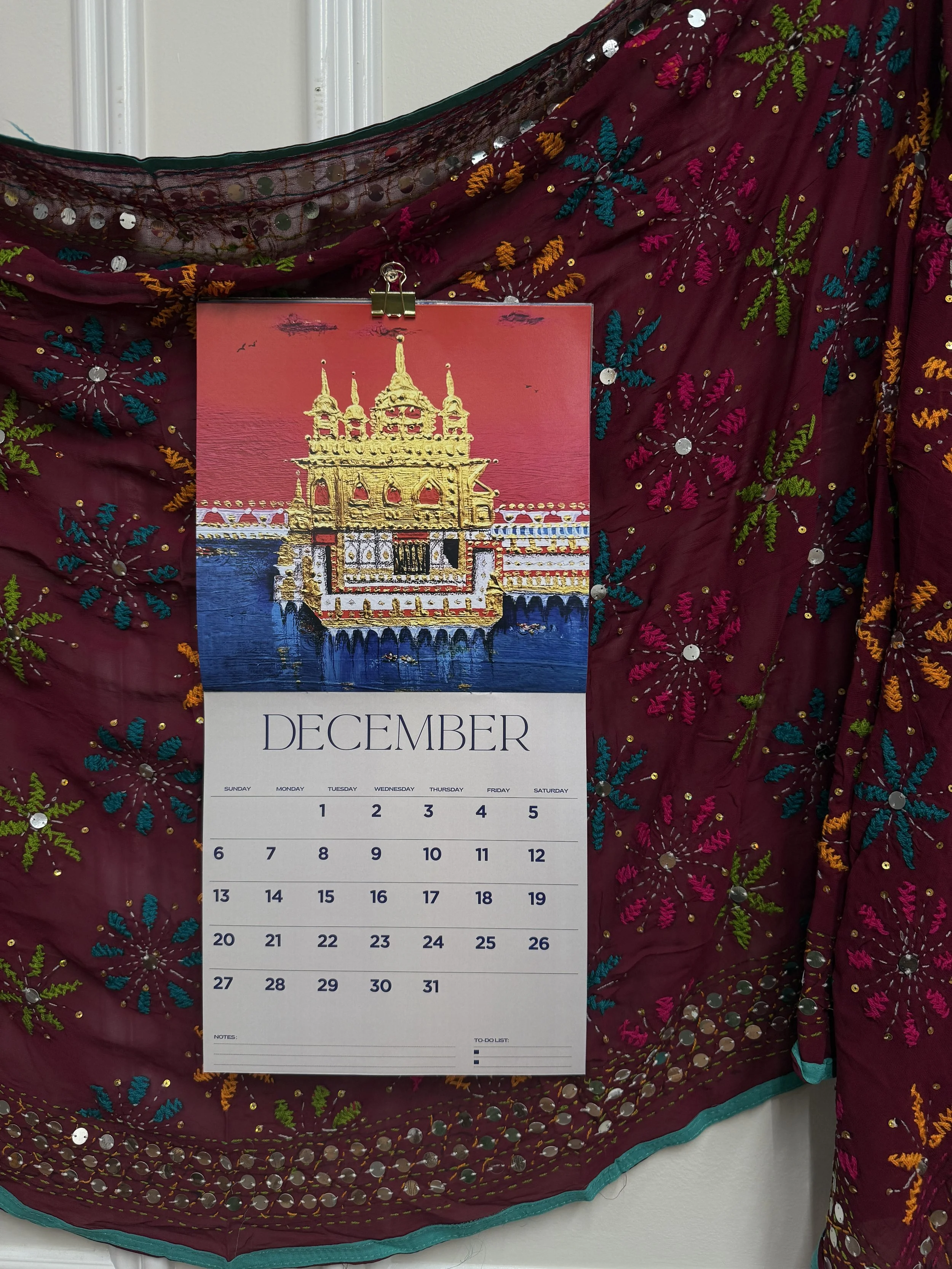 Image 2 of 6
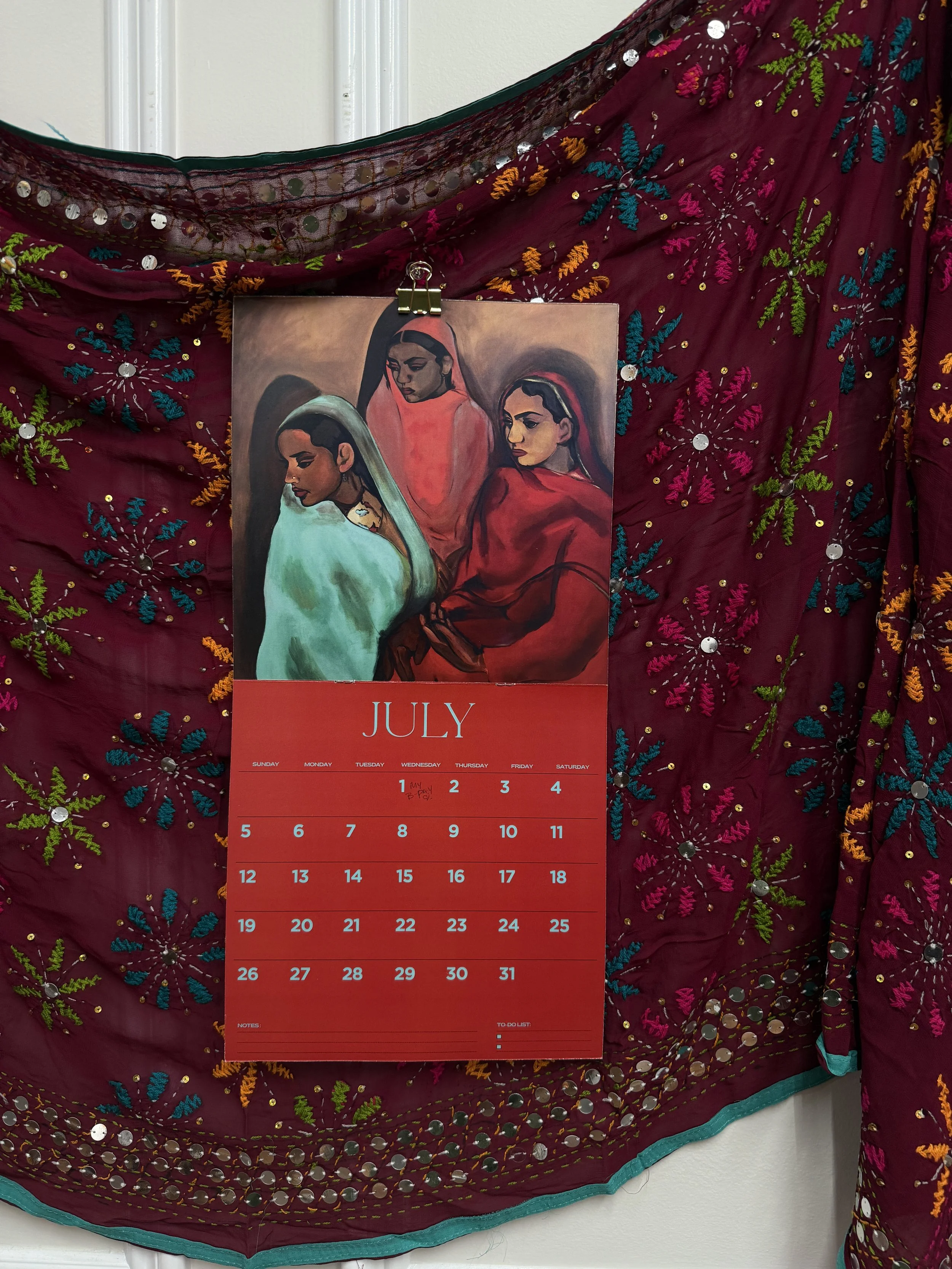 Image 3 of 6
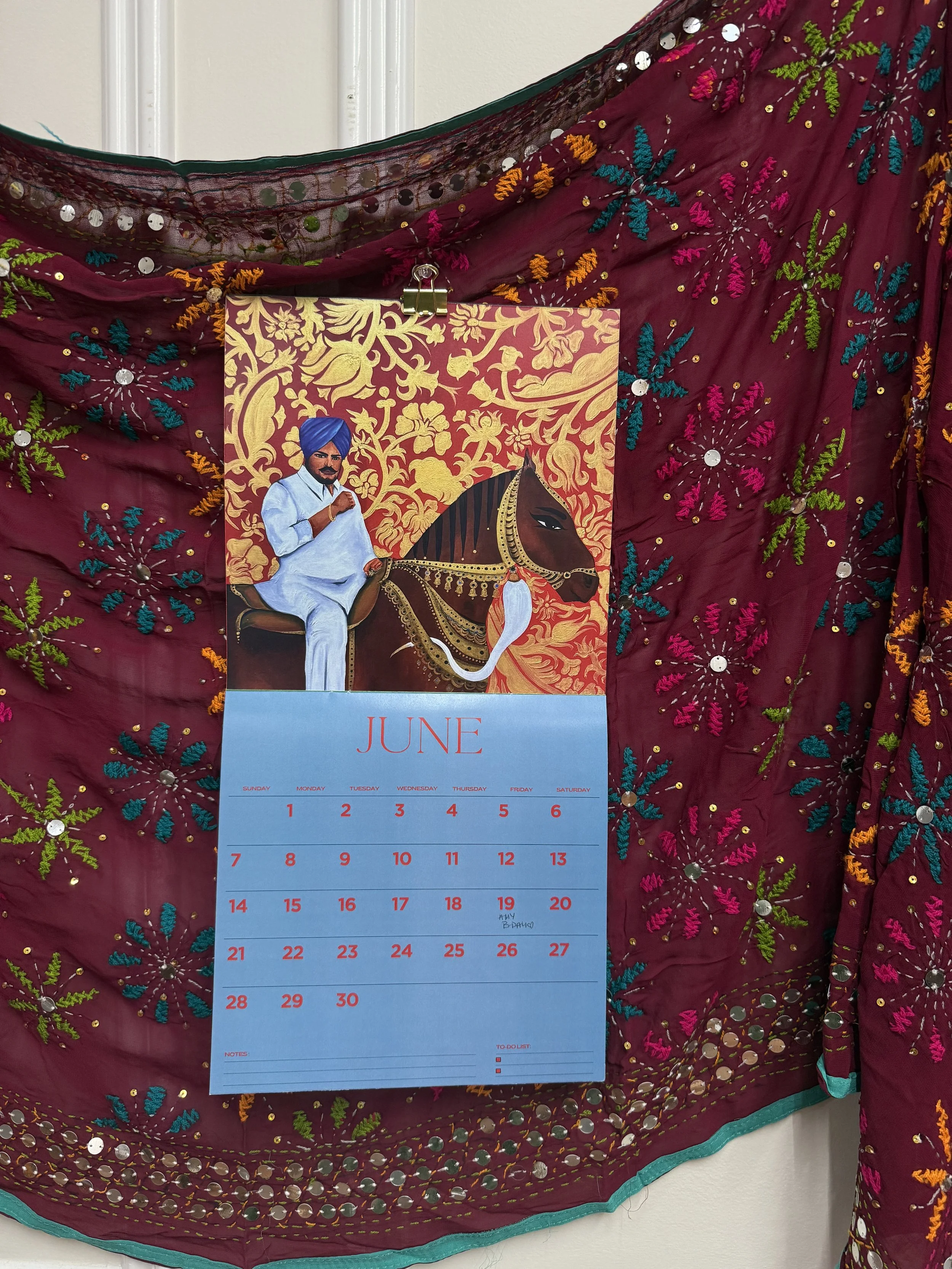 Image 4 of 6
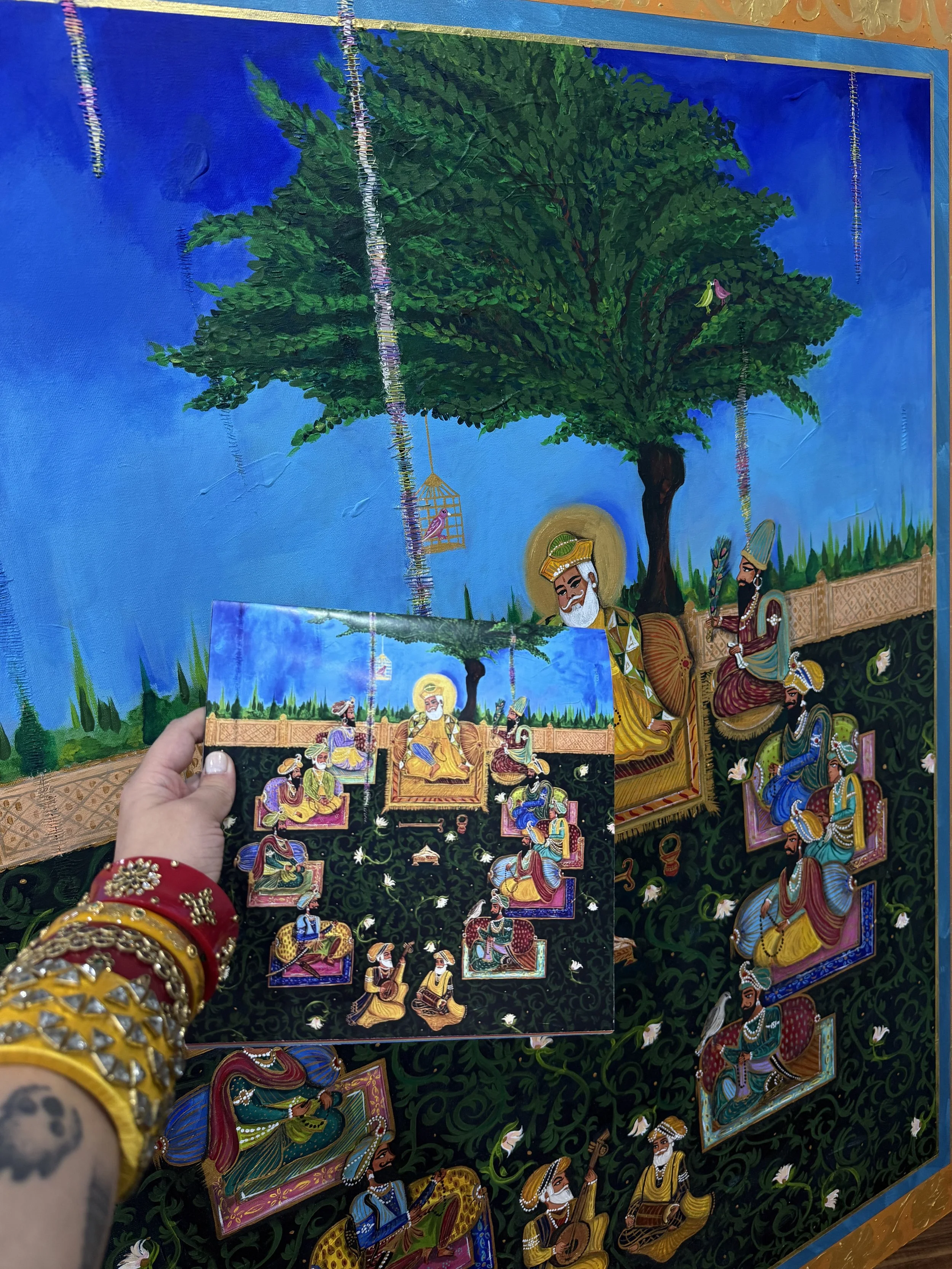 Image 5 of 6
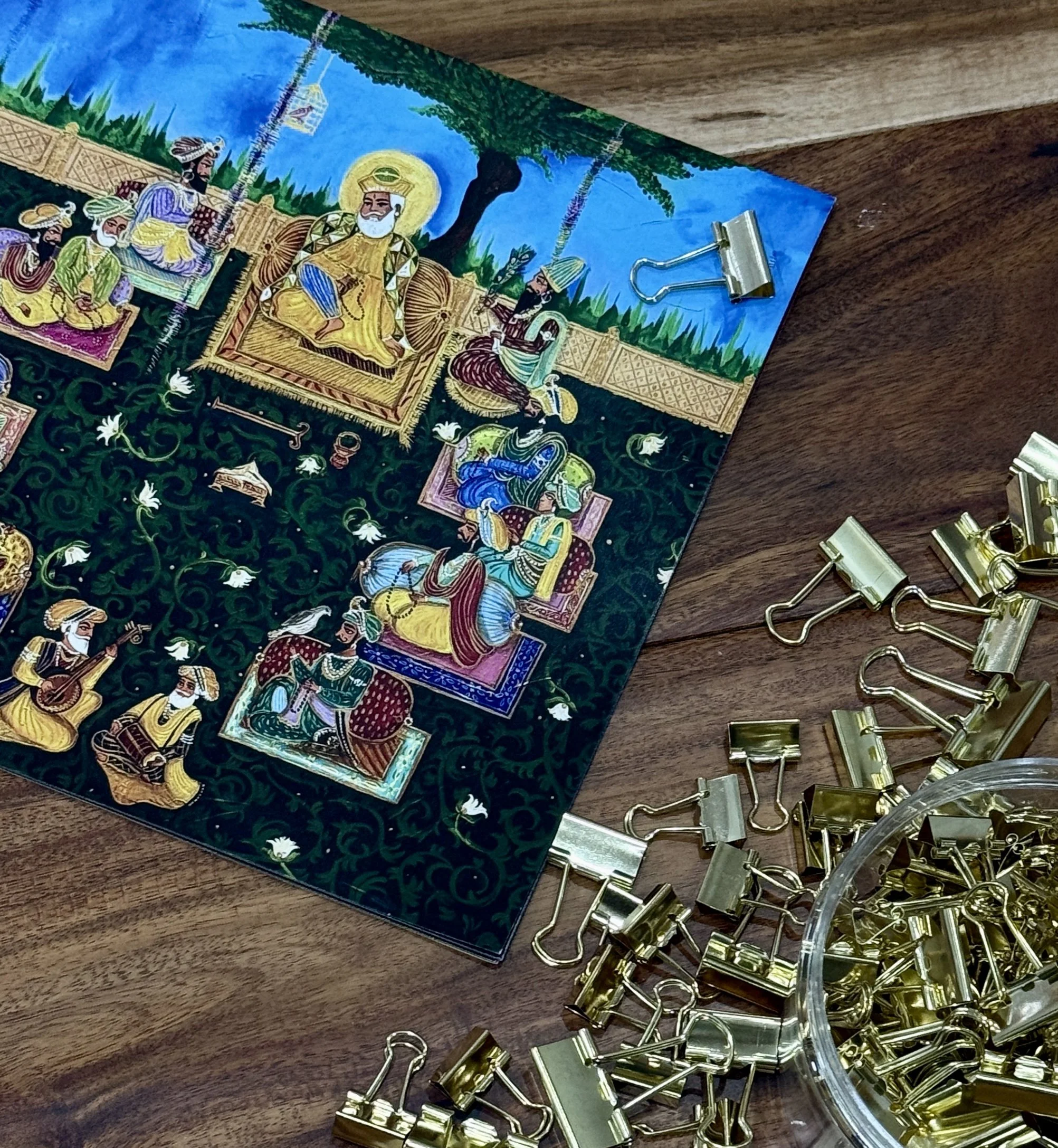 Image 6 of 6
It didn’t begin as a calendar.
It began quietly, without intention.
In February, when my mother came to visit me in Mumbai, time softened. What was meant to be an ordinary visit slowly turned into something else — a two-month journey of moving through gurdwaras, sacred spaces, and landmarks deeply woven into Sikh history. Some were places I had heard about all my life, others I was encountering for the first time as an adult, not through stories but through my body, my breath, my presence.
We walked together sometimes in silence, sometimes in prayer, sometimes in conversation that drifted between memory and belief. With her beside me, faith no longer felt like something inherited and distant. It felt lived. Repeated. Observed. Felt in the soles of my feet and the rhythm of days.
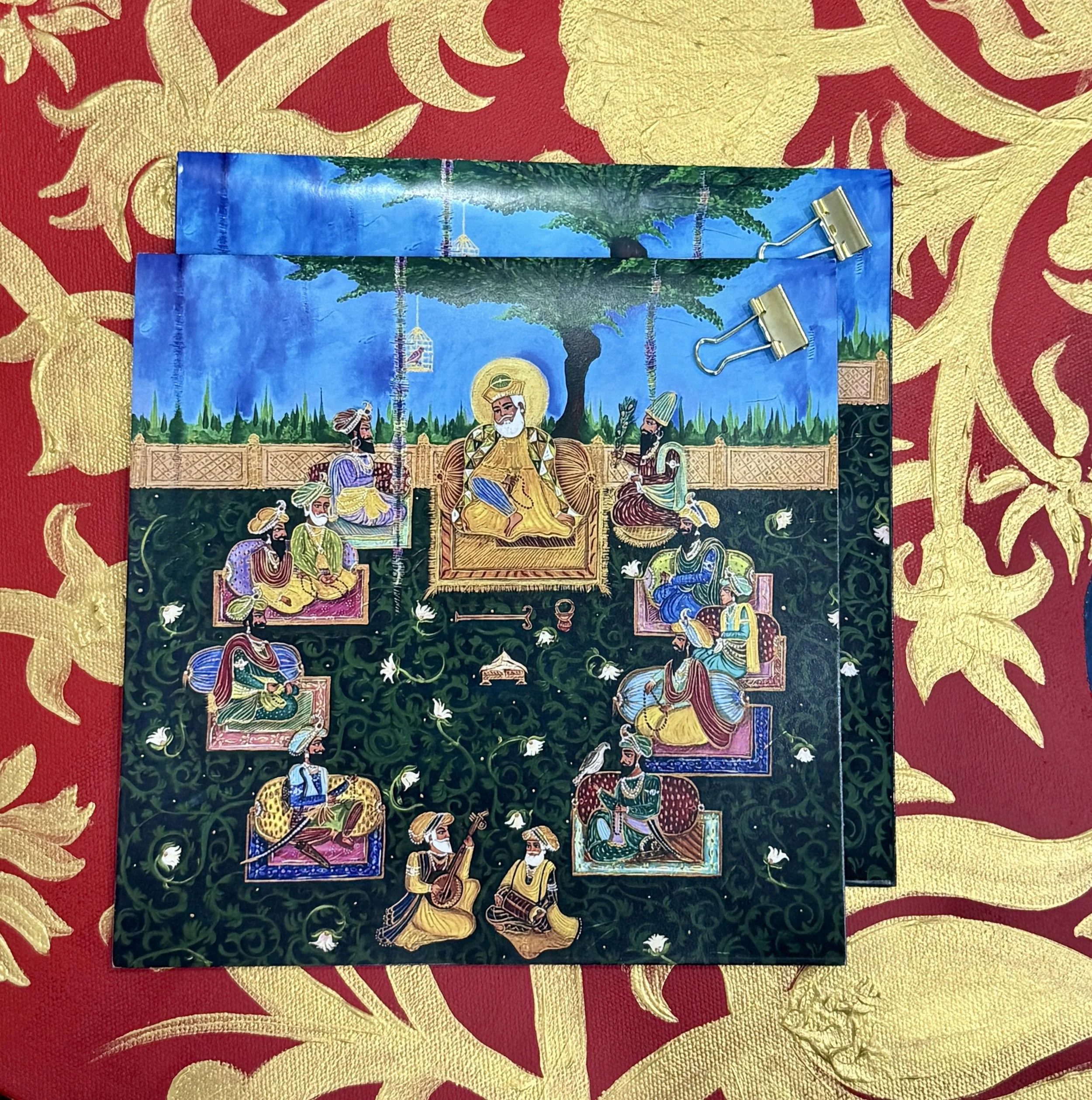
During this time, I began painting. Not with a plan. Not toward a theme. The paintings came as responses to what I was seeing, remembering, questioning. Punjabi culture, Sikh iconography, folklore, devotion, power, softness, royalty, humility. I wasn’t trying to define my roots; I was sitting with them. Letting them reveal themselves slowly, layer by layer.
The work accumulated almost without me noticing. One painting led to another, and then another. Each felt like a marker not of productivity, but of time. Of presence. Of something being processed gently, without force. At some point, I realized I had nearly twelve paintings.
That’s when the idea surfaced, not as a strategy, but as recognition. These works were already marking months for me. They were already accompanying me. Turning them into a calendar felt less like a decision and more like naming what they had become. The thought carried me back to childhood. Every new year, at the Gurudwara, we would receive calendars free, unassuming objects filled with devotional imagery, history, important dates, and advertisements. They lived on our walls all year long. Quiet companions. Teachers without instruction. Sacred without ceremony.
This calendar is an ode to those objects. A way of staying connected to culture and faith not as something distant or ceremonial, but as something lived with daily, monthly, imperfectly. A way to return, again and again, without needing to arrive anywhere.
I didn’t set out to make a product.
I followed a pull, toward my roots, toward memory, toward the comfort of repetition and ritual.
The calendar simply emerged, holding the journey the way time always does gently, faithfully, one page at a time.